
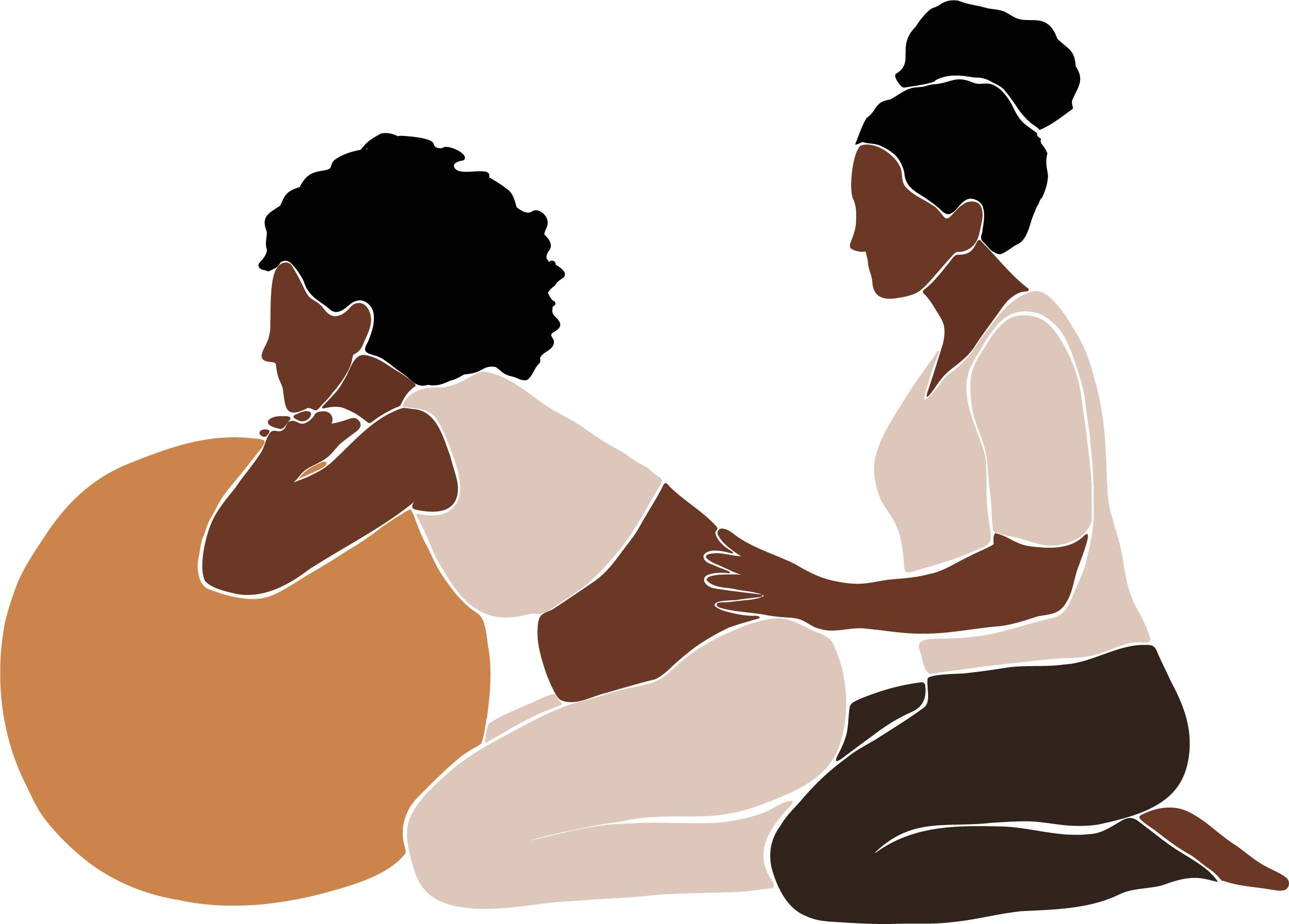
Lifetime Certification
Share your credential as long-term proof of your training, core competencies and standards. No hidden fees to hold on to your certificate.
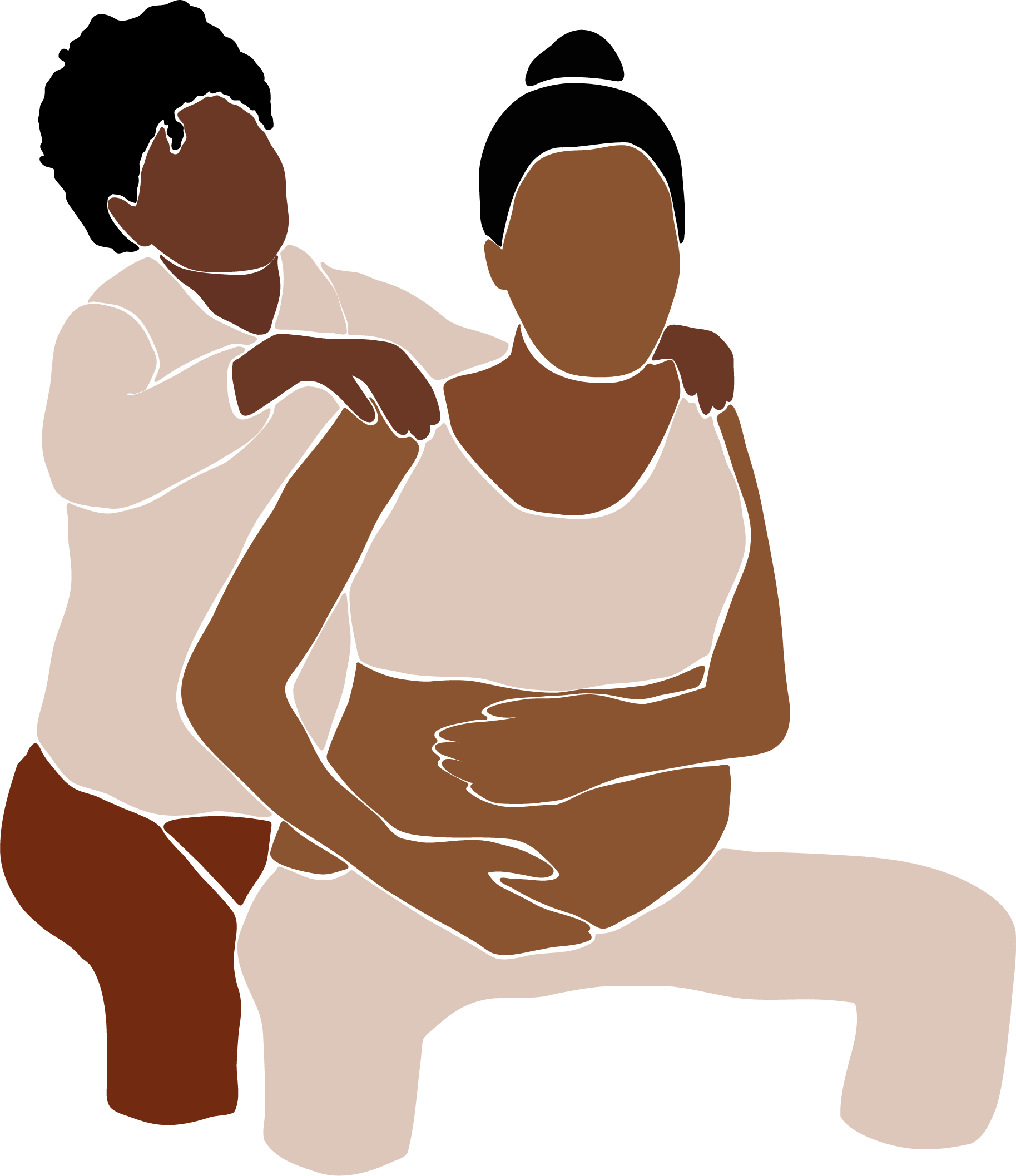
Diverse Standards
Prove your training includes cultural competency, client advocacy, trauma-informed care, and ethical practice. Families deserve this high level of care.
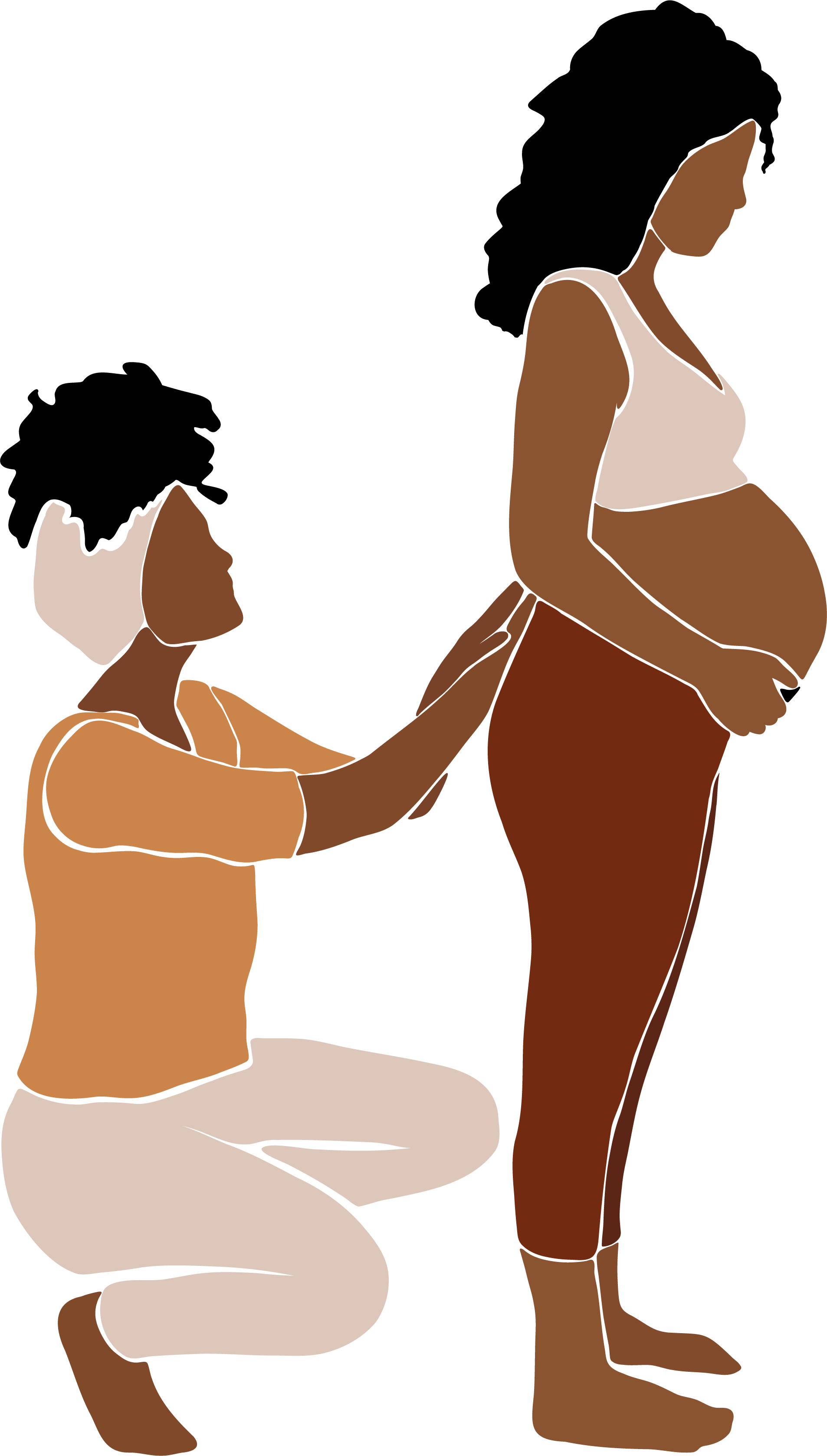
Boost Your Business
Certification opens doors to insurance reimbursement, professional recognition, and more sustainable ways of working.
The credential gap is costing you — and it was designed that way.
Your skills are not lacking, but the systems that issue credentials weren't built to recognize how you trained, who you trained under, or the knowledge you carry. Institutions use that gap to keep your birth business hidden or small. Invisible Expertise Black, Brown, and Indigenous birth workers have been supporting families and communities for generations. That legacy is real. The professional documentation of that work — in formats that institutions and clients recognize — often isn't. The Bridge changes that. Credentialing Catch-22 The certifications that get mainstream recognition were designed by and for a narrow slice of the doula world. Getting certified through them often means distorting or erasing the cultural practices that make your support work for the families you serve. You shouldn't have to choose. Practice Without Infrastructure You're building something real with your work in the world. But without professional credentials, every client conversation becomes a trust-building exercise. With certification, you can charge what you’re worth, point to your standard of care, and build the kind of business that sustains you long-term.

The Bridge’s Doula Certification supports the body of work you’re proud of building. A certification pathway built to span two things that should never have been in conflict: the professional standing that lets you build a sustainable business and the cultural integrity that makes your care worth seeking.
This certification credentials your whole self.
Your training doesn't have to come from a single approved organization to count here. Apprenticeships, community programs, indigenous and ancestral knowledge, continuing education — The Bridge was built to recognize the full range of how doulas actually learn.
This certificate gives you something to point to.
The Bridge Doula Certification is a professional credential you can name in your contracts, your website, your intake forms, and your client conversations. It signals to families that you've met a rigorous standard — one that also reflects the values of the community.
This course supports the business you're building.
Certification is only one piece of sustainable practice, and The Bridge, a community of BIPOC birth providers, knows this. Once you’re certified, you can remain in community with us, join The Bridge Directory to find clients, and keep learning and growing together.
The Gold Standard
"The Bridge Directory is setting the new gold standard for maternal health. By launching a certification pathway co-designed by birth justice leaders and rooted in cultural integrity, we are providing doulas with the trusted credential they need to unlock insurance benefits and transform birth outcomes for Black, Brown, and Indigenous communities. We aren't just following the industry; we are leading the movement toward a more sovereign and equitable future." -Guramrit LeBron, co-founder The Bridge Directory

Most working doulas are closer than they think to official certification. The following are our only pre-requisites for the Certification program:
Who's Eligible
Any birth and/or postpartum doula based in the U.S. or abroad, 18 or older. No degrees required.
Training & Experience
At least 30 hours of doula or related training — this includes childbirth education, lactation and feeding workshops, continuing education, or indigenous and ancestral knowledge. Accepted from any organization, community-rooted program, or apprenticeship model. Plus a minimum of 7 attended births or postpartum families supported, including full-spectrum support such as abortion, miscarriage, or loss.
What It Takes To Pass
Current CPR certification (infant and adult). A passing score of 80% or higher on the Bridge Proficiency Exam. A signed agreement to The Bridge Attestation and Pedagogy of the People's Doula. Already certified elsewhere? Your existing credential doesn't disqualify you — and your previous training counts toward the hours requirement. Many doulas pursue Bridge Certification in addition to other credentials because it's a pathway that reflects their actual practice and values.
Certification shouldn't cost you your culture.
Many credential exams require you to fit your practice into a standardized mold — one that wasn't made with Black, Brown, and Indigenous birth workers in mind. The Bridge was built differently. Ancestral and Indigenous Knowledge Counts Training received through community lineage, apprenticeship, or indigenous practice is recognized toward eligibility. You don't have to pretend you learned everything in a classroom. Any Training Organization, Any Model We accept proof of training from any organization, community-rooted program, or apprenticeship model. There's no approved-vendor list that excludes the people who actually trained you. Full-Spectrum Experience Births attended can include full-spectrum support — abortion, miscarriage, and loss count. This work is real work. We recognize it. Community-Led Standards The standards behind The Bridge Doula Certification were developed in community, not handed down from institutions that have historically excluded or ignored us. They're rigorous because our communities deserve rigorous. Not because we’re gatekeeping knowledge or care. Reproductive Justice at the Center This is a credential rooted in racial equity. The whole reason The Bridge exists is to protect and professionalize doula work by BIPOC birth workers, on our terms.
The Bridge Certification was built for doulas who trained differently, care differently, and deserve to be recognized — and compensated — for exactly that.
This is a living credential, built in community and held in community.